Erasmus opens doors to teaching, academic and diplomatic cooperation – all enriched with a touch of cultural experience: Pató Viktória Lilla’s account of her 2025 teaching mobility in Rome
Our researcher, Viktória Lilla Pató, spent one week at Sapienza Università di Roma in May 2025 as part of an Erasmus teaching mobility scholarship. During the programme, she delivered four lectures and seminar sessions, totalling eight teaching hours, in English and Italian to Sapienza students. Her classes focused on the challenges of global critical raw material supply chains, the strategic sovereignty of the European Union, and the role of artificial intelligence and digital technologies. Students gained an in-depth understanding of how the extraction, processing and manufacturing of critical raw materials essential for technological development are concentrated in only a handful of countries, and how this concentration creates geopolitical and economic risks for Europe.

In addition to critical raw materials and digitalisation, two of the sessions focused on the system of EU funds and the future of EU cohesion. Together with Sapienza students, she explored the expected priorities of the next seven-year EU budget cycle in light of the policy agenda of the second von der Leyen Commission, as well as the budgetary interests of Italy and Hungary. The discussions also highlighted the significant regional disparities in accessing directly managed EU funds—both within Italy and across Europe. Students showed particular interest in the structural challenges faced by Southern Italian regions and Central and Eastern Europe in terms of competitiveness and innovation.

During the mobility, our researcher also met with professors and research coordinators at La Sapienza to discuss future cooperation opportunities between the University of Public Service and Sapienza. The meetings explored possibilities for joint book launches, academic roundtables and project collaborations, all of which could further strengthen the scientific links between the two institutions.
La Sapienza is one of Europe’s most prominent universities: in the QS World University Rankings 2025 it ranks 134th globally and 1st in Italy in terms of academic reputation; according to the Academic Ranking of World Universities, it is placed in the 151–200 bracket. With more than 110,000 students and an extensive research network, Sapienza stands out for its multidisciplinary profile, excellence in engineering, geosciences, materials science and IT, and its strong industrial partnerships (ENI, Leonardo, ENEL), making it a key scientific and innovation hub in the region. These indicators highlight why Sapienza is an outstanding institutional partner for educational and research cooperation.
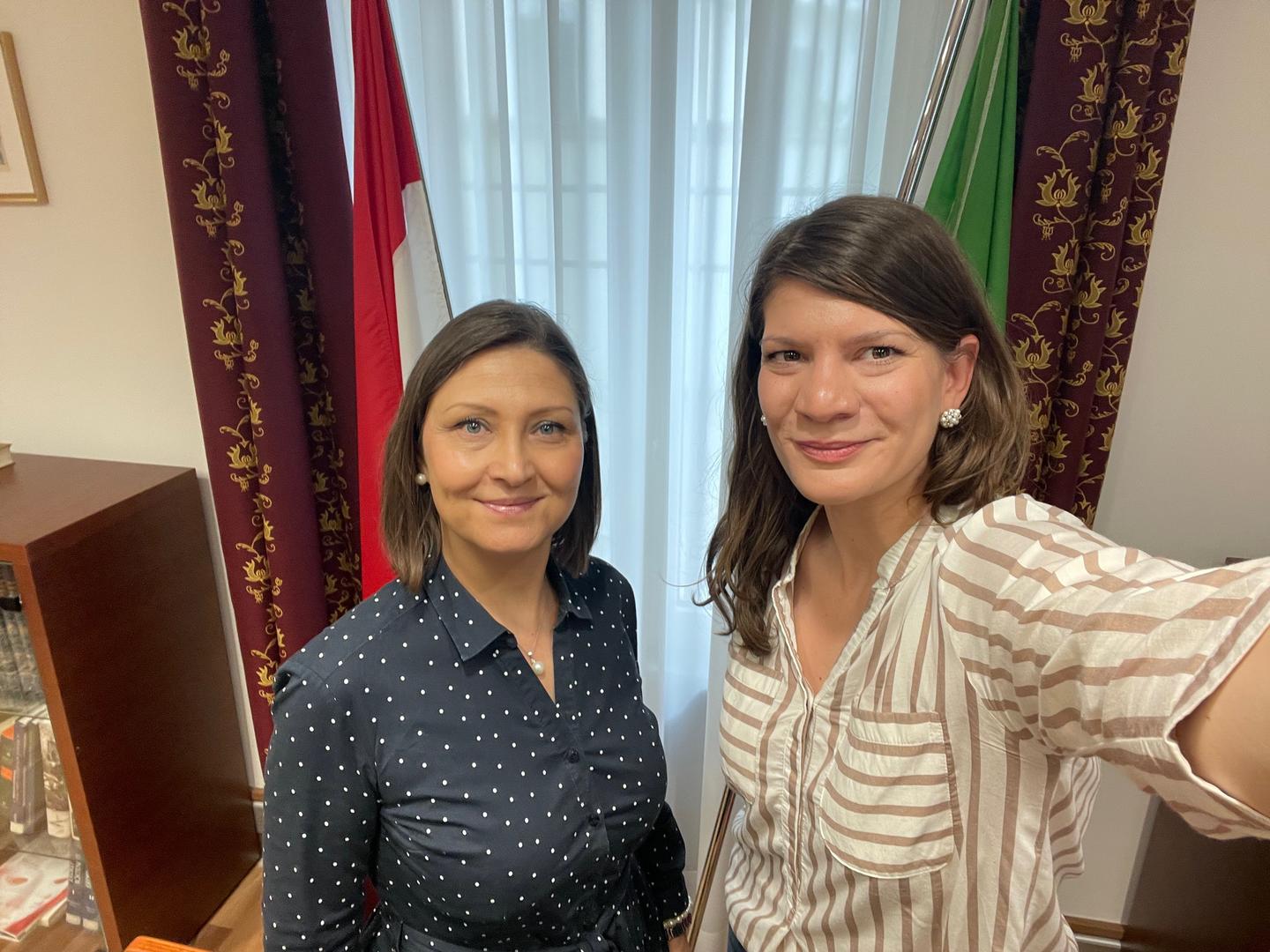
As part of her stay in Rome, our researcher also visited the Embassy of Hungary in Rome, where she met with Dóra Zakar, Commercial Attaché, to discuss opportunities for accessing directly managed EU funds, consortium building, and strengthening Italian–Hungarian collaboration in this field.
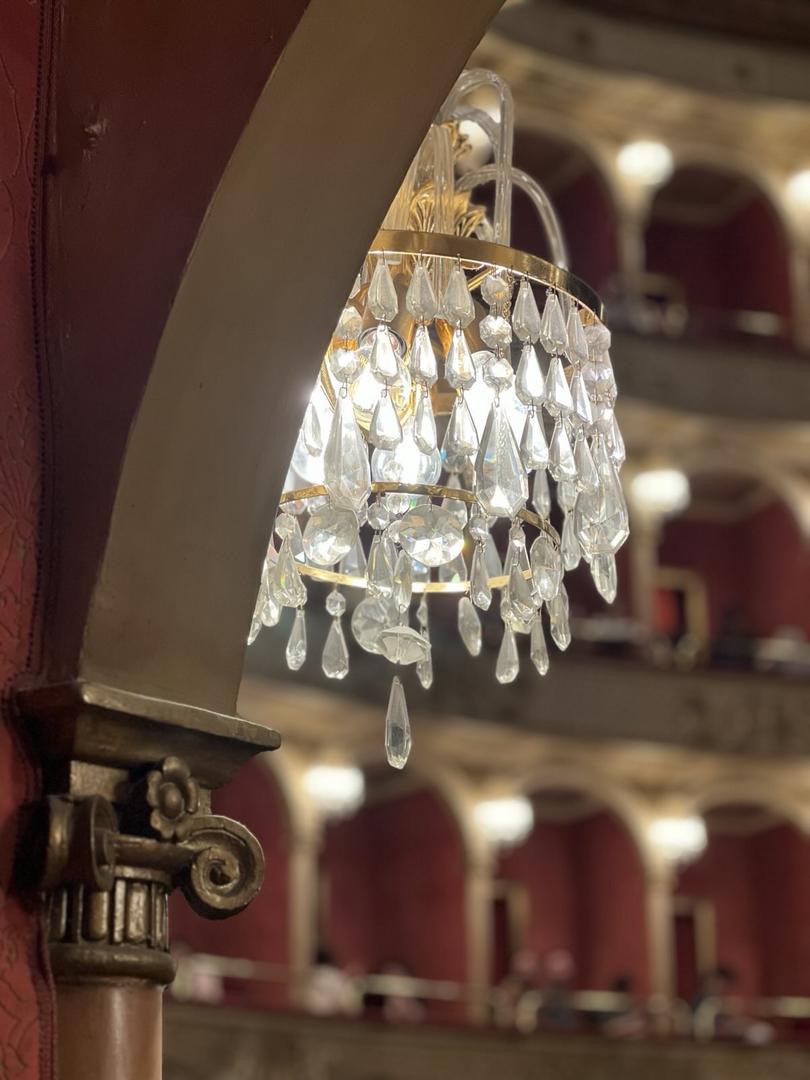
Erasmus mobility is not only about academic and research cooperation but also about enriching cultural experiences—fully in line with the spirit of the programme. Therefore, the itinerary naturally included a visit to the Vatican during the Holy Year, even though the Sistine Chapel was closed due to the conclave. The week also featured an opera performance, visits to the Colosseum, the Forum Roman and the Borghese Gallery, all contributing to a truly memorable experience in Rome.
We encourage all colleagues to take advantage of international mobility opportunities. The Erasmus programme strengthens European identity, allows us to represent our country and university abroad, and fosters lasting academic and personal connections.
Viktória Lilla Pató